
Flora and Fauna
Fattingpark Copse is a site of importance for nature conservation; due to a long history of coppice management combined with recent restoration, the woodland provides habitat to a range of species, some rare and endangered.
Plants
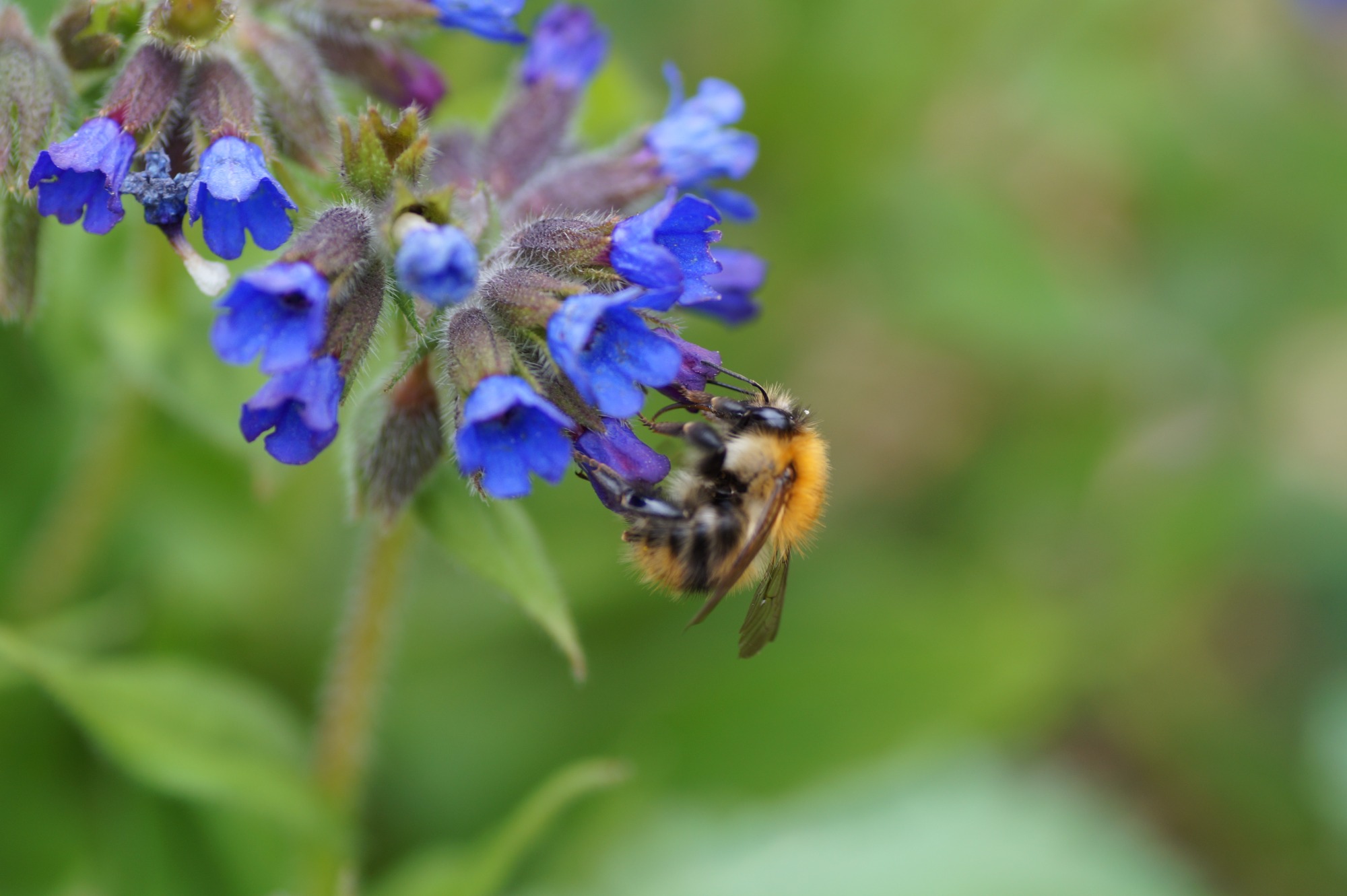
Over 200 plant species have been recorded at Fattingpark Copse, including a remarkable 46 ancient woodland indicator species such as Narrow-leaved Lungwort, Wood Anemone, Bluebell and Wild Service Tree. Making this one of the top five richest island woods for ancient flora.



Invertebrates
The high diversity of plant species provides abundant habitat for insects and other invertebrates.
The Wood Cricket - Nemobius sylvestris, a small, dark brown cricket native to the UK, is recorded throughout Fattingpark Copse. It's considered rare and localised, with populations primarily in the New Forest, South Devon, and the Isle of Wight. Although not endangered, it is a "Species of Conservation Concern" due to its limited distribution.
It's located in ancient woodlands, hedgerows, and sometimes gardens; areas with permanent low cover of ground vegetation, low canopy cover and leaf litter are the preferred conditions. Restoring and reintroducing traditional woodland management practices has proven highly beneficial for this species as it is mainly found along ride and track edges, glades, and permanent woodland boundaries. Emphasising the importance of preserving these key habitat features.


Birds
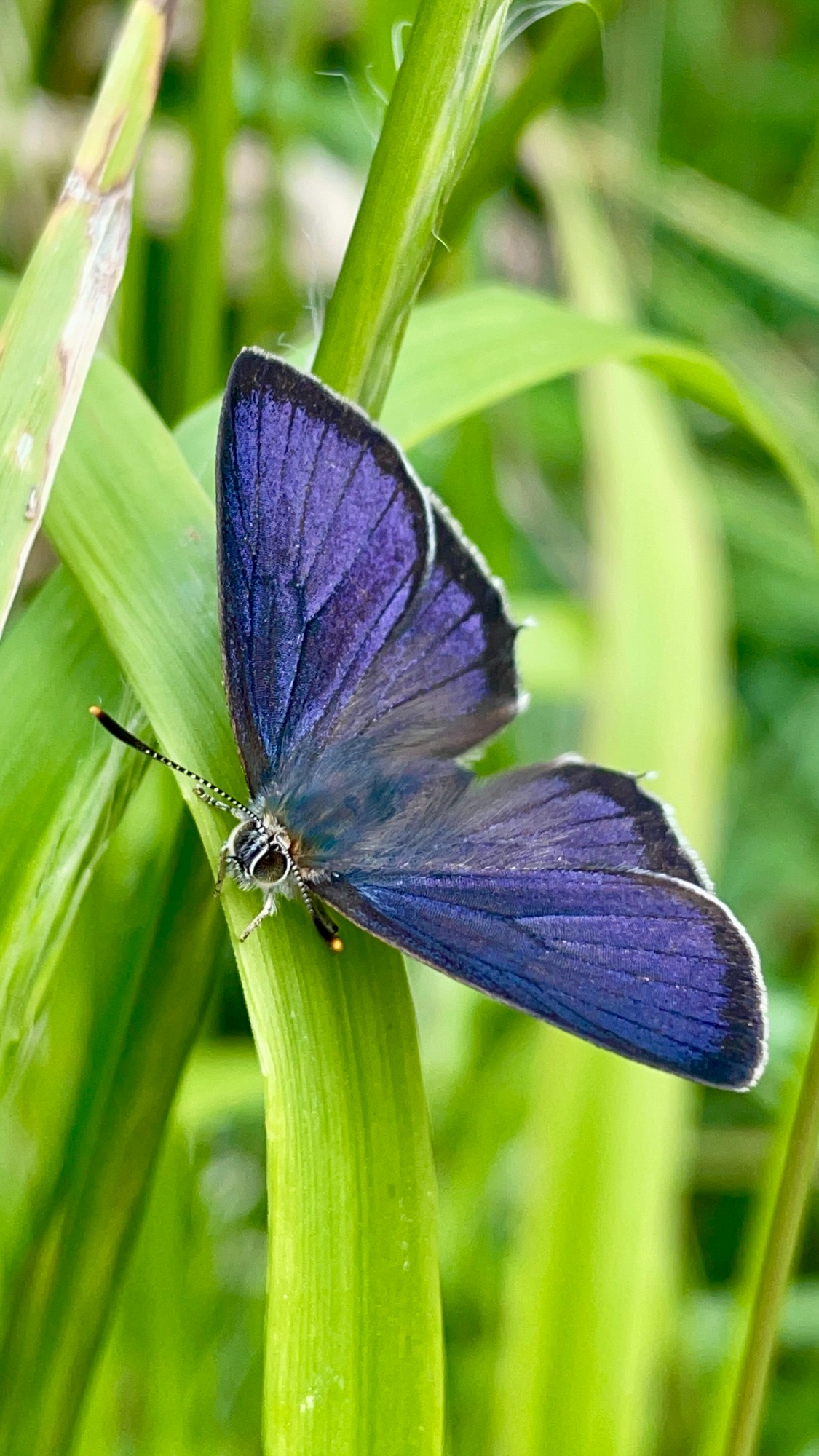
The varying stages of re-growth and canopy cover throughout the copse supports a healthy bird population:
Blackbird, Song Thrush, Mistle Thrush, Robin, Blue Tit, Great Tit, Long-Tailed Tit, Coal Tit, Chaffinch, Goldfinch, Bullfinch, Wren, Chiffchaff, Nuthatch, Treecreeper, Goldcrest, Firecrest, Blackcap, Redwing, Dunnock, Linnet, Whitethroat, Sparrow, Cuckoo, Great Spotted Woodpecker, Green Woodpacker, Kighfisher, Mallard, Moorhen, Stock Dove, Collared Dove, Wood Pigeon, Magpie, Jay, Crow, Buzzard, Peregrine Falcon, Kestrel, Sparrowhawk, Little Owl, Barn Owl,
Mammals
A range of mammals are supported by the coppice woodland habitat; badger, fox, hare, rabbit, stout. red squirrel, dormouse, wood mouse, voles and bats have been recorded at Fattingpark Copse.
Bats are a keystone species. This means that bats are essential in keeping eco systems healthy, as they have a disproportionately large effect on their natural environment relative to their abundance. A wide range of keystone species and consistent population numbers suggest a healthy environment.
The UK has 18 species of bat and Fattingpark Copse is home to at least 10 species, providing ideal habitat to some of the rarest and most elusive bat species in Britain such as:
Bechstein's Bat - Myotis bechsteinii
Whiskered Bat - Myotis mystacinus
Natterer's Bat - Myotis mystacinus
Daubenton’s Bat - Myotis daubentonii
Barbastell’s Bat - Barbastella barbastellus
Soprano Pipistrelle - Pipistrellus pygmaeus
Common Pipistrelle - Pipistrellus pipistresllus
Grey Long-eared - Plecotus austriacus
Serotine - Eptesicus serotinus
Greater Horseshoe - Rhinolophus ferrumequinum
